

Micro Brewery Filtration Setup Guide for Craft Brewers
Recent Posts

Micro Brewery Filtration Setup Guide for Craft Brewers
Starting a craft beer brewery? One question keeps popping up: How do I keep my beer crystal clear without breaking the bank?
The answer is simple: good filtration.
If you're running a microbrewery, filtration isn't just about making your beer look pretty. It's about protecting your product, extending shelf life, and keeping customers coming back. In this guide, we'll walk you through everything you need to know about craft beer filtration systems, from choosing the right setup to solving common problems.
What Is Micro Brewery Filtration and Why Does It Matter?
- Beer filtration is the removal of unwanted particles from your beer, such as yeast, proteins, and hop residue. Think of it as giving your beer a cleansing shower
- Visual clarity: A clear beer looks professional. Hazy beer makes customers question quality, even if it tastes great
- Shelf stability: Filtered beer lasts longer. Unfiltered beer develops off-flavors over time.
- Consistency: Every batch tastes and looks the same, which is what customers expect
- Trade-off: More filtration = clearer beer but potentially less flavor. Some brewers skip it for a full-bodied taste. But if you're selling commercially, clarity matters.
Beer Filtration for Small Breweries
Not all beer filtration methods for small breweries work the same way.
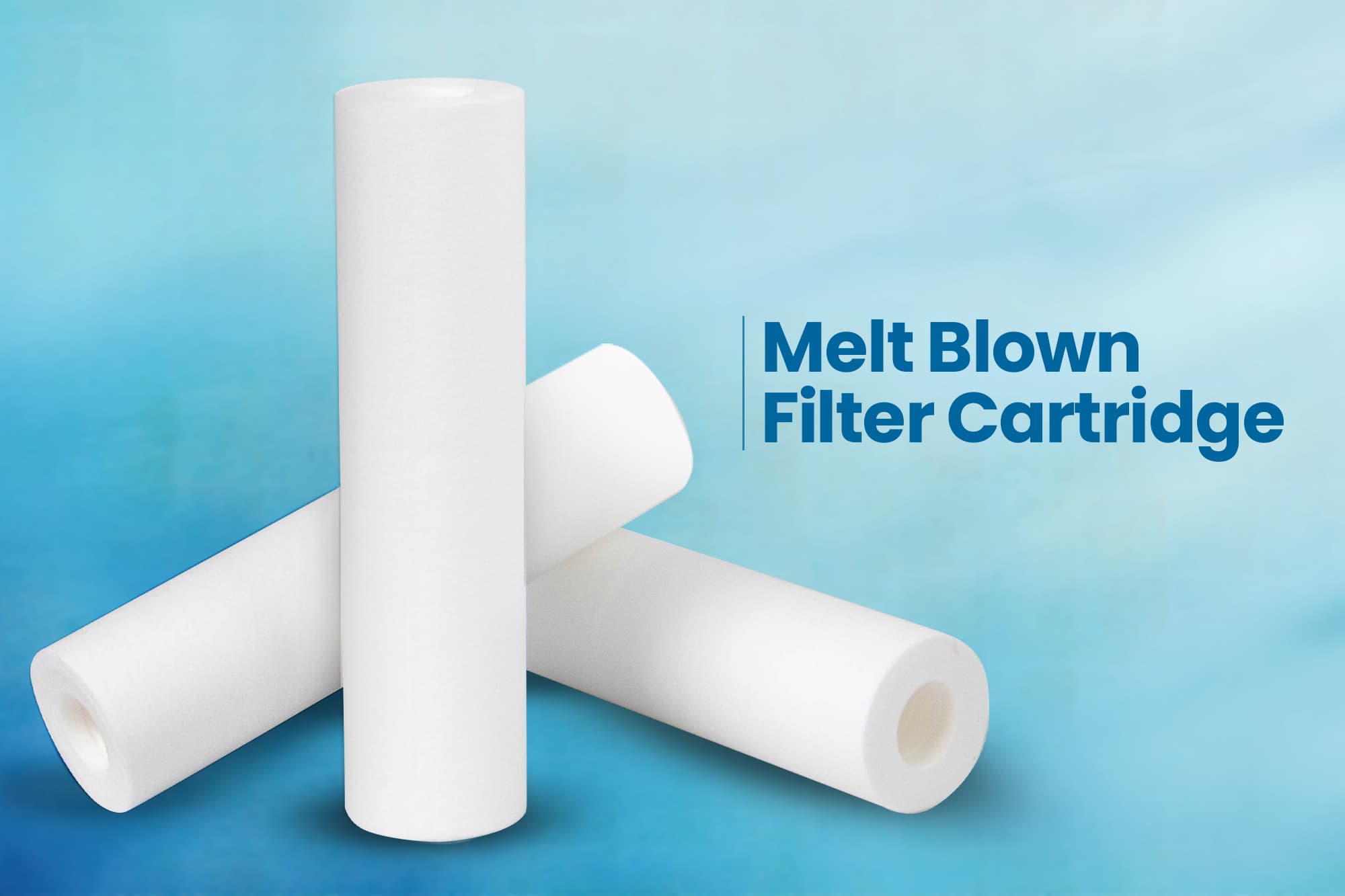
Cartridge Filtration
Beer passes through disposable filter cartridges like giant coffee filters. Best for breweries under 50 barrels/month. Lower investment, simple to use, good flavor retention. But cartridges get expensive, and it's slower than pad systems.
How to Filter Craft Beer: A Step-by-Step Guide
Here's how to filter craft beer without mistakes:
Step 1: Prep Your Beer
- Cool to 35-45°F (cold beer flows smoothly)
- Let sit 24-48 hours (particles settle)
- Check equipment is clean
- Prime the filter with water
Step 2: Connect & Start
- Hook up your fermentation tank to the filter inlet
- Use sanitary stainless steel lines
- Open the valve gradually
- Let beer flow for the first minute without collecting (removes air)
Step 3: Monitor
- Watch the pressure gauge constantly
- Collect filtered beer into your vessel
- Pressure rises as the filter fills. This is normal
- Stop when pressure peaks (usually 40-60 PSI)
Step 4: Clean Immediately
- Flush the equipment with water right after use
- Don't let residue dry on pads
- Store in sanitizer solution
Understanding Beer Clarity Filtration Process
Beer clarity filtration process happens in three stages:
Stage 1 (First 20%): Large particles (yeast clumps, hop debris) get trapped. Flow is fast, pressure is lowest.
Stage 2 (Middle 60%): Smaller particles caught. This is your "sweet spot" for quality beer.
Stage 3 (Final 20%): Tiny particles removed for crystal clarity. Flow is slow, pressure is high.
Pro Tip: Two-stage filtration, rough then polish, gives better results and longer pad life.
Choosing Your Craft Beer Filtration System
For Home/Nano Breweries (Under 20 barrels/month):
- Cartridge or small pad filter
- Time: 2-3 hours per run
For Microbreweries (20-100 barrels/month):
- Mid-size pad filter (plate and frame)
- Time: 4-6 hours per run
For Small Commercial Breweries (100-500 barrels/month):
- Larger pad filter or hybrid system
- Time: 6-10 hours per run
Common Filtration Problems & Solutions
Problem: Beer Still Looks Hazy
Solution: Change pads halfway through. Try a two-stage approach.
Problem: Filtration Takes Forever
Solution: Use coarser pads, warm beer to 40°F.
Problem: Pressure Spikes Too Quickly
Solution: Do a rough filter first with coarser pads.
Problem: Beer Loses Flavor
Solution: Use gentler pads. Don't over-filter.
Problem: Filter is Leaking
Solution: Check O-rings and gaskets. Reassemble carefully.
Setup Essentials
- Location: 3x3 feet space, 50-70°F temperature, near floor drain.
- Equipment: Food-grade stainless steel lines, flow meters, pressure gauges, check valves, and pressure relief valves.
- Safety: Never open a pressurized filter. Always depressurize first. Wear safety glasses.
Why Choose NIRAN for Micro Brew Filtration?
Once you understand your filtration needs, choosing the right partner becomes critical. NIRAN brings decades of filtration expertise from Fleetguard Filters, trusted since 1987, into modern craft beer operations.
We understand what small breweries need:
- Reliable systems that work consistently
- Cost-effective solutions that fit your budget
- Expert support from people who understand brewing
- Customized options for your scale
NIRAN filtration systems are engineered for real-world brewery conditions, not lab theory.
Related Products for Micro Brewery Filtration
Choosing the right filtration media is just as important as selecting the system itself. At NIRAN, we offer reliable filtration solutions designed specifically for small and growing breweries:
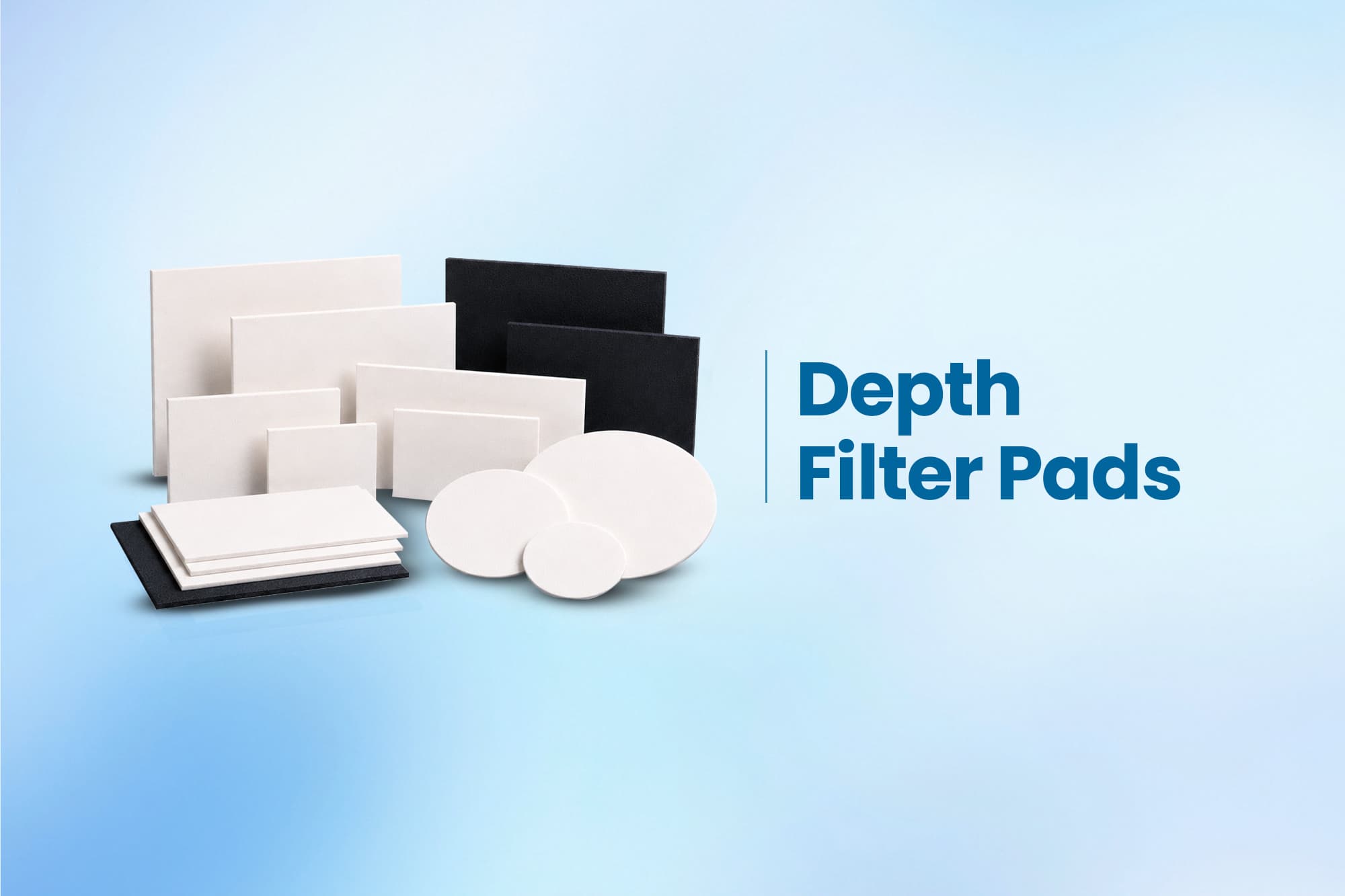
- Depth Filter Pads
- Ideal for pad filtration systems, these pads effectively remove yeast, proteins, and haze-forming particles while maintaining the natural flavor of your craft beer. Suitable for both rough and polish filtration stages. Explore Depth Filter Pads
- Lenticules (Modular Depth Filters)
- A scalable and hygienic alternative to traditional pads, lenticules are designed for enclosed filtration systems. They provide higher efficiency, reduced contamination risk, and consistent beer clarity, perfect for breweries looking to upgrade their filtration process. Explore Lenticules
Ready to Get Started?
Filtration doesn't have to be complicated. Start with a system that fits your volume, master the process, and scale up as you grow. The successful breweries aren't the ones with the fanciest equipment; they're the ones making consistent, clear beer their customers love.
Contact NIRAN today for a custom brewery filtration recommendation. Let's find the perfect system for your microbrewery.
FAQs:
Q.1. Can I filter beer without a commercial system?
Ans: Yes, but slowly. Cheesecloth works for tiny batches, not regular production.
Q.2. Does filtered beer lose flavor?
Ans: Not significantly with the right approach. Gentle filtration keeps flavor while improving clarity.
Q.3. How often should I maintain my system?
Ans: After every use, clean immediately, then full maintenance check monthly.
Q.4. Can I reuse filter pads?
Ans: Not recommended. Compression reduces effectiveness each time.